






Company Overview

Last updated: January 5, 2005

Diamond Mind, Inc. has been developing highly-realistic strategy-oriented computer baseball games for over fifteen years. The company has always been focused on combining the power of the computer with modern statistical analysis techniques to produce a game that is more realistic, more accurate, more detailed, and easier to use than any arcade-style baseball game or any computer game that is a direct translation of a baseball board game.

Here are a few milestones in the history of Diamond Mind, Inc.:

December, 1982. Tom Tippett (founder and president of Diamond Mind) begins developing the first prototype of the game. Within a few months, the game is far enough along to run a six-team office league.

July, 1985. The company now known as Diamond Mind is founded under the name Tippett Software. Development of the first commercial version of the game gets underway.

March, 1987. Under a marketing agreement with Pursue the Pennant (PTP), the first version of the game (using stats from the 1986 season) is published under the name Pursue the Pennant PC Baseball.

June, 1992. The computer manager, autoplay, and other major features are added in the newly-released version 4. It is now possible to simulate entire seasons in less than an hour on the faster 386-based computers being sold at the time.

November, 1992. STATS, Inc., launches Bill James Classic Baseball (BJCB), an online and play-by-mail fantasy baseball league using a baseball simulation engine designed by Tippett Software and adapted for BJCB in collaboration with Bill James. With BJCB, you can draft a team of players from a group of more than 3000 all-time greats (and not-so-greats) from the 1870s to the 1980s, then submit pitching rotations, starting lineups, and tactical instructions to guide your team in games against other managers in your league.

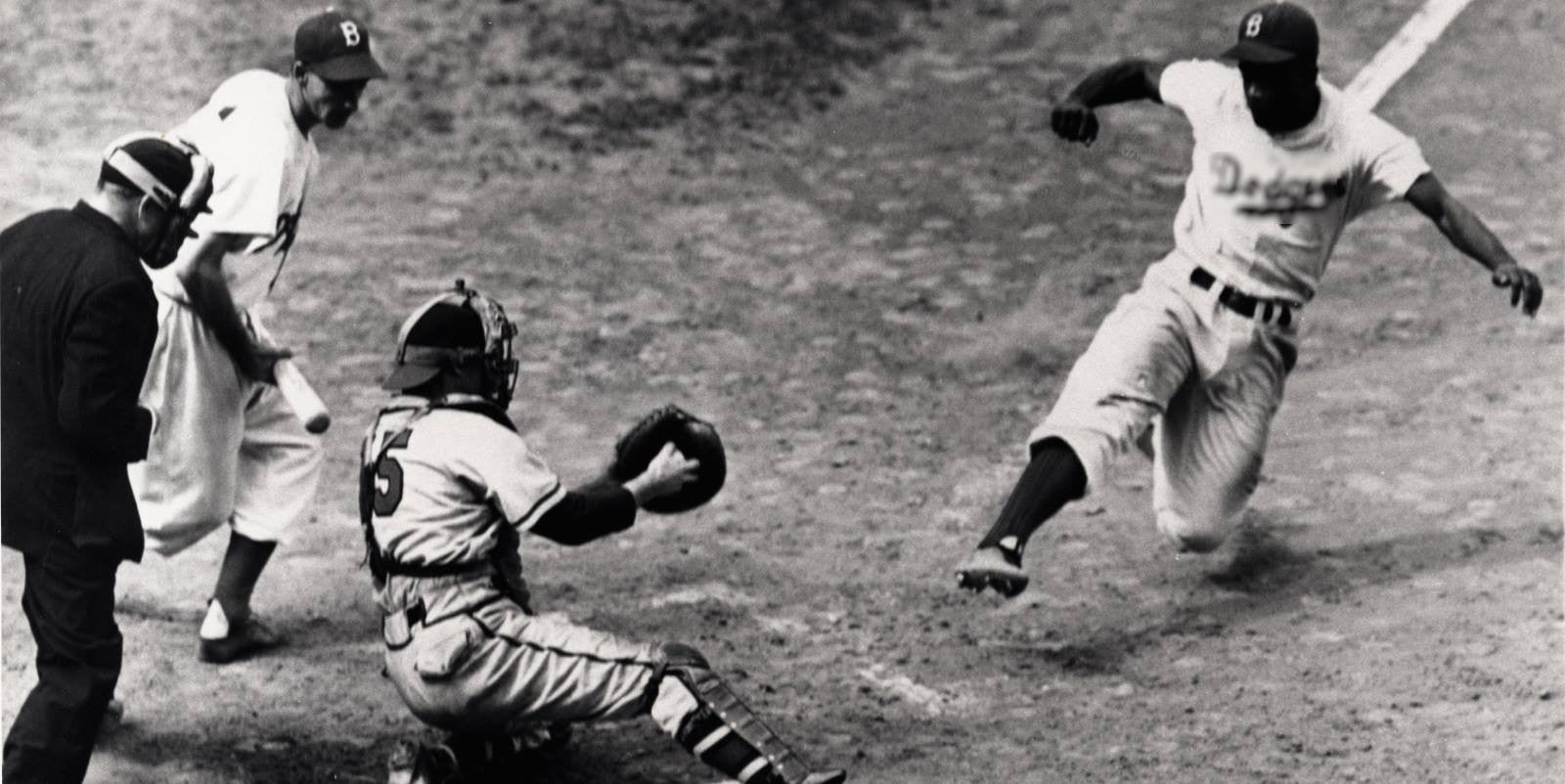
April, 1993. USA Today Baseball Weekly magazine chooses Diamond Mind Baseball (then known as PTP) for its All-time Greatest Teams tournament. The tournament and the game are featured in 31 issues of the magazine, leading up to the final round between the 1939 Yankees and the 1953 Brooklyn Dodgers.

January, 1994. Version 5 ships. This upgrade is by far the most feature-packed of any released by the company since version 1, and includes a comprehensive weather system, expanded park ratings, vastly expanded play-by-play, wild plays (rundowns, pickoffs, dropped third strikes, arguments and ejections, brawls), more statistics and reports, and a variety of other improvements in the simulation.

August, 1994. The game is featured by numerous media and sports entities (NBC, CNN, New York Daily News, Tribune Media Services, Topps) that ran stories or produced products incorporating simulated results for the pennant race and post-season that never happened.

September, 1995. The company ends its marketing partnership with PTP and begins marketing directly to customers. It also takes over the customer service and technical support functions previously handled by PTP. The product is renamed Diamond Mind Baseball.

December, 1995. Version 6 of Diamond Mind Baseball is released along with the 1995 Season Disk. The upgrade features mouse support, a schedule generator, new trading features, improved boxscores, more stats and reporting options, expanded control over relief pitching and pinch hitting by the computer manager, and expanded 60-man rosters.

May, 1996. Version 6.5 is shipped free of charge to all version 6 customers. The upgrade features catcher pickoff throws, play-by-play enhancements, a new boxscore viewer, simplified season disk installation, schedule generator improvements, and many other new features.

July, 1997. Diamond Mind begins shipping version 7, featuring the first statistically-accurate pitch-by-pitch simulation ever developed. This innovative new release also includes full support for inter-league play, lots of new play-by-play commentary, a disabled list feature, automatic real-life transactions, and much more.

March, 1998. Diamond Mind introduces the first of its annual projection disks. These disks include rosters that reflect the off-season player moves, projected statistics and ratings for established major leaguers and hundreds of minor-league prospects, the schedule for the upcoming season, and manager profiles reflecting how we expect each player to be used.

July, 1999. STATS, Inc., launches Diamond Legends, a web-based fantasy baseball game using Diamond Mind's baseball simulation technology. As with BJCB (see above), you can draft a team of players from a group of all-time greats, then submit pitching rotations, starting lineups, and tactical instructions to guide your team in games against other managers in your league.

December, 2000. Diamond Mind releases version 8, featuring a brand-new Windows user interface, customizable report writer, computer drafting, expanded play-by-play, streamlined stats transfer features, and much more.

January, 2001. Diamond Mind releases the Historical Ballparks Database, a companion product for Diamond Mind Baseball version 8 that includes year-by-year dimensions and statistical park factors for every park used since 1901.

November, 2001. In conjunction with STATS, Inc., ESPN.com launches ESPN Classic Fantasy Baseball, a web-based game using Diamond Mind's baseball simulation technology.

June, 2003. Diamond Mind releases the first edition of its All-time Greatest Players disk, featuring more than 1100 of the best players in history. All players are rated based on their best series of consecutive peak seasons.

March, 2004. Diamond Mind releases version 9, featuring the ability to play games head-to-head over the Internet (NetPlay), expanded support for HTML reporting, web site generation, expanded play-by-play, new analytical stats, player-specific manager tendencies, and an encyclopedia for storing the results of multiple seasons.